An airspace scheme for Barnet Homes
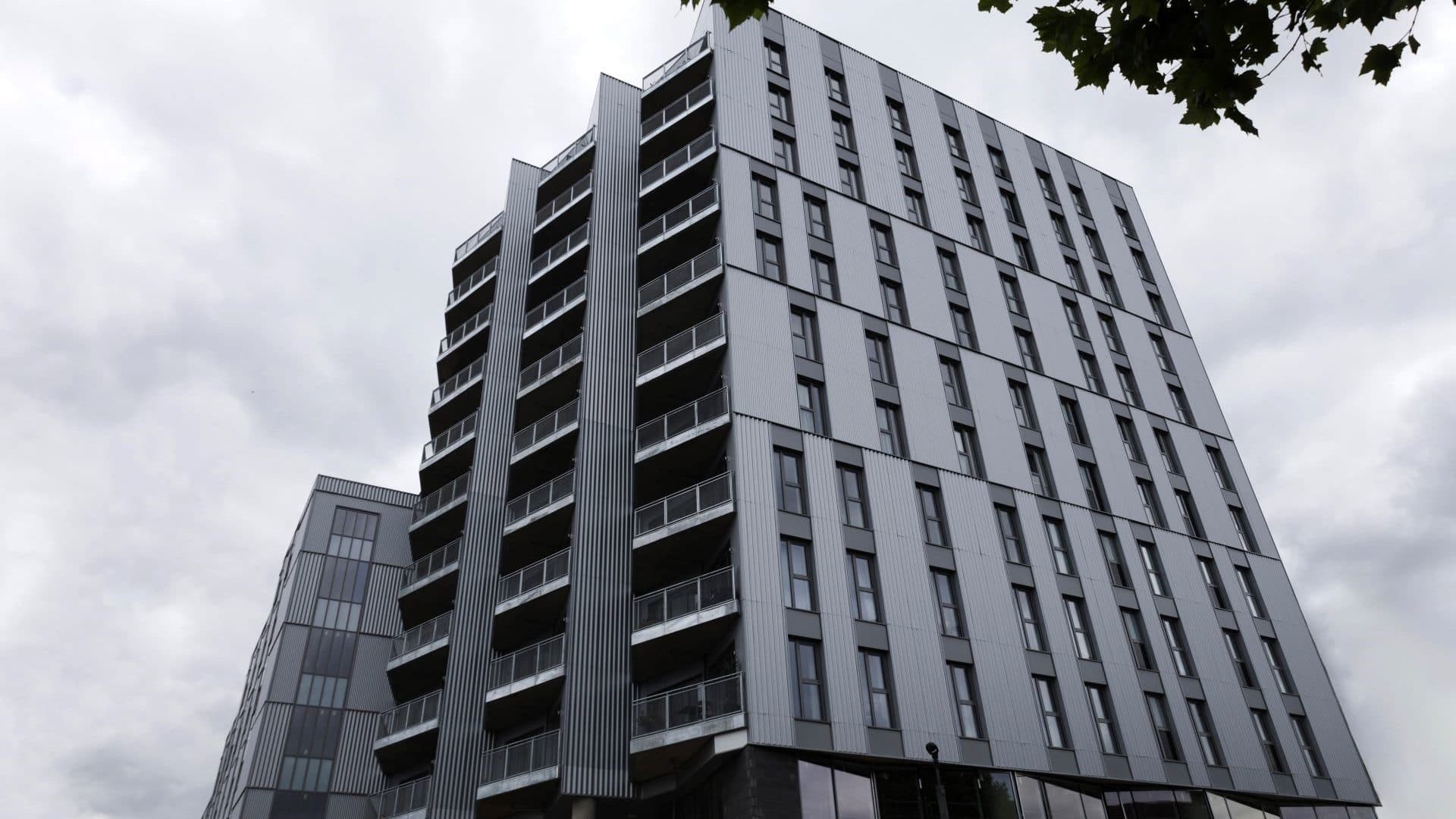
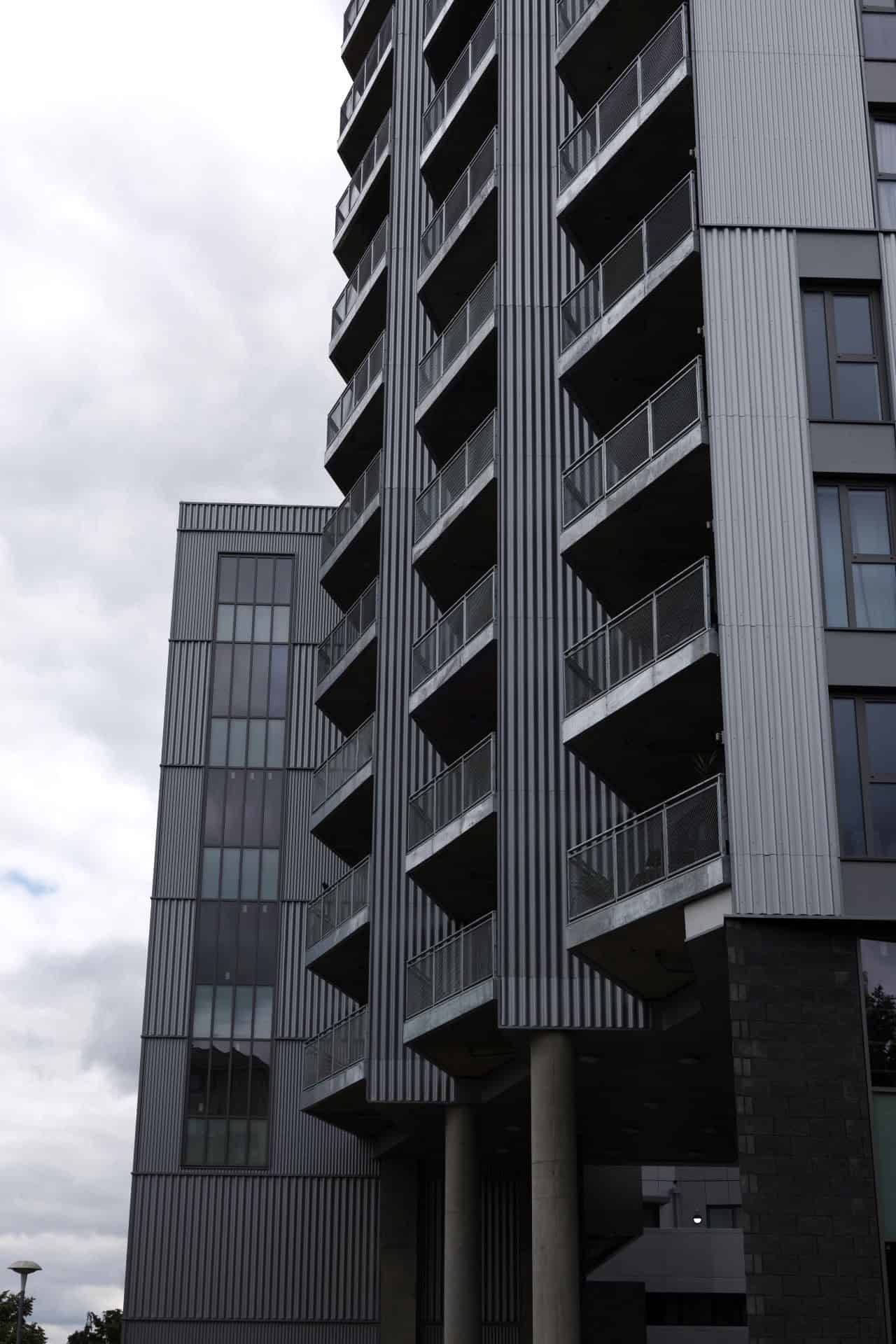
At Burnt Oak Broadway in north London, BREE Construction secured a 6 million pound contract with Barnet Homes to deliver 18 new flats. The project is an airspace, or top-hatting, development, adding new homes on top of five existing residential blocks along the Broadway rather than building on fresh land.
The work covered rooftop additions to Colesworth House, Crokesley House, Curtlington House, Clarewood and Cargreen, each receiving new homes above the established structures. The approach reflects a growing route to housing delivery in London, where airspace above existing buildings is unlocked to create additional flats without consuming new sites.
Delivering homes through top-hatting
The development was authorised through Barnet Council's outline business case for the Burnt Oak Broadway flats and progressed with the relevant planning consents and conditions in place. For Barnet Homes, the scheme offered a way to expand the local housing stock while making efficient use of land it already owned.
Delivering homes above occupied blocks demands careful sequencing and close attention to residents below, and the project drew on the wider airspace market that BREE entered through this work for Barnet Homes. The result is 18 additional flats woven into the existing Burnt Oak Broadway streetscape.
For BREE's property services team, the Burnt Oak Broadway commission marked a move into the specialist airspace market, where new homes are created above existing housing stock to make the most of land already in public ownership. The completed flats add to Barnet Homes' supply without displacing residents or consuming new sites in an already built-up part of north London.
Efficient delivery in a built-up borough
Schemes of this kind allow Barnet Homes to expand local housing supply at pace while avoiding the cost and disruption of acquiring new land in a dense part of north London. The 18 flats sit directly within the existing Burnt Oak Broadway streetscape, adding homes above blocks that were already part of the established community.
By combining a clear client business case with the relevant planning consents and conditions, the project moved from approval to delivery as a workable model for future airspace housing across the borough.